BSc Radiotherapy Technology
Front-line of India's cancer-care expansion.
With cancer cases rising sharply, every new oncology centre needs trained radiotherapy technologists to operate LINAC, simulators and brachytherapy units. RTT is a niche, high-paying speciality — and the demand-supply gap is the widest in allied health.
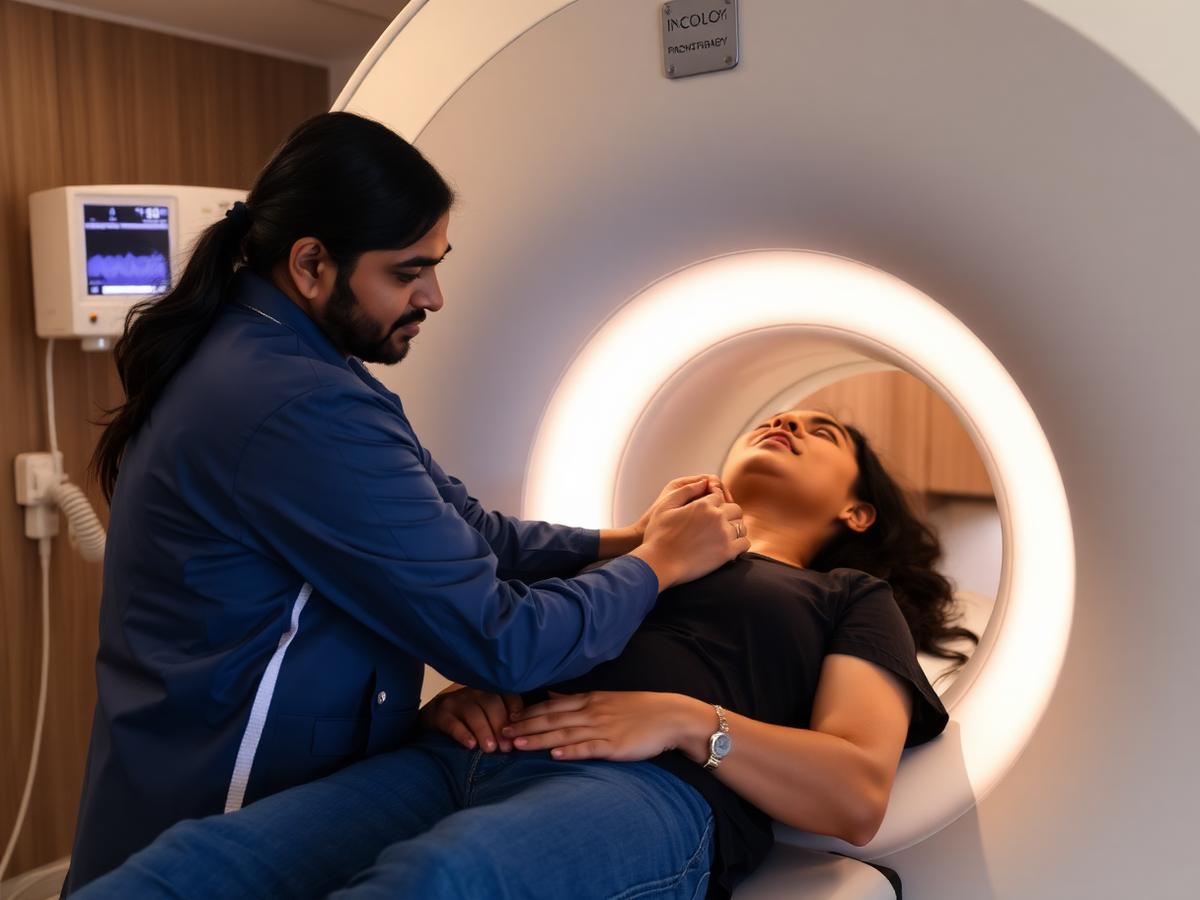
The Cura Advantage
- Tie-ups with leading oncology centres for internship & career opportunities
- LINAC & CT-Simulator training in 4th year
- Senior radiation oncologists as guest faculty
- Built-in AERB radiation-safety certification
Curriculum & Structure
- Radiation Physics & Oncology Basics
- Treatment Planning & Dosimetry
- LINAC & Brachytherapy
- Radiation Protection
- 1 Year Oncology Internship
What you'll be known for
- LINAC, CT-Simulator & Brachytherapy training
- Radiation safety & treatment planning exposure
- Internship at oncology centres
- Niche, high-paying, recession-proof speciality
Job Roles & Career Paths
Market Opportunity
Healthcare is recession-proof. Hospitals do not shut down — they expand. Every Tier-2 and Tier-3 city in India is adding new beds, and trained BSc RTT professionals are in short supply everywhere.
- India needs 1 LINAC per 1M people — currently has 1 per 3.5M
- 1,500+ new LINACs to be installed in India by 2030
- Cancer incidence rising 12.8% per year — ICMR data
- Most acute shortage in any allied-health speciality — 80%+ unfilled positions
Real career scenarios
Tata Trust, HCG, Apollo and Manipal are opening oncology centres in every Tier-2 city. Each centre needs 4–6 RTTs — and they cannot find them.
RTT-trained graduates are flown to Riyadh, Dubai and Singapore at packages 6–8× their Indian starting salary.
After 5 years, RTTs can pursue MSc Medical Physics and become Treatment Planners — ₹15–25 LPA inside India itself.
Top recruiters
Fees & Scholarships
| Overall Tuition Fee | ₹7,20,000 for the full 4-year program |
Indicative ranges. Final fee structure confirmed at the time of admission.
Common questions parents ask
Other programs